
ADVERTISEMENT
Jeffrey Epstein, arrested in 2019 on federal sex-trafficking charges, died in jail one month later — officially ruled a suicide. The circumstances surrounding his death fueled nationwide distrust and intensified demands for transparency.
Ghislaine Maxwell’s arrest in 2020 and her conviction in 2021 revived attention on Epstein’s network and the high-profile individuals who crossed paths with him.
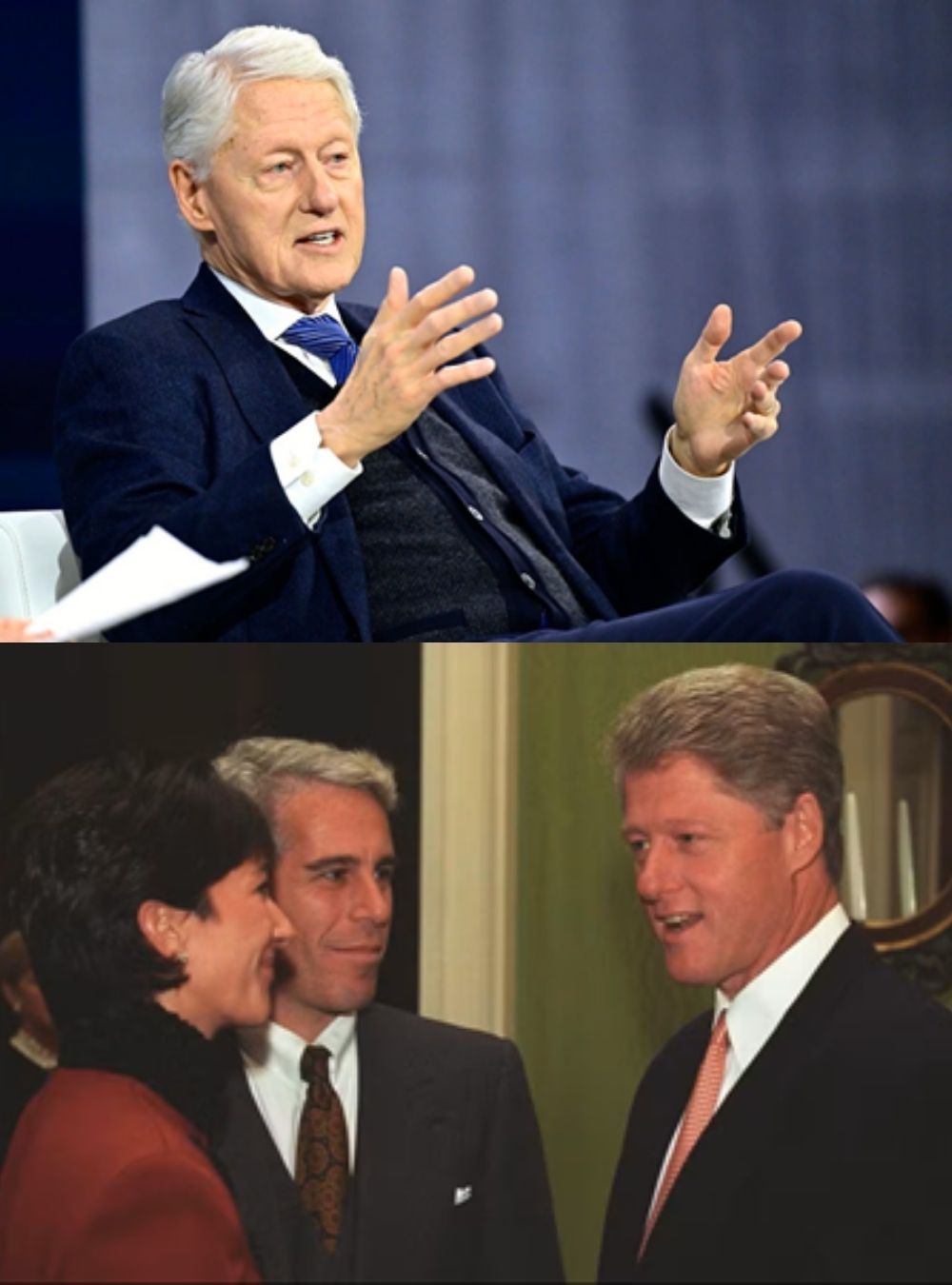
• White House visitor logs showing Epstein visited the Clinton White House 17 times in the 1990s
• Records of Epstein’s $10,000 donation to the White House Historical Association
• Multiple trips Bill Clinton acknowledged taking on Epstein’s plane for Clinton Foundation work
Clinton has consistently denied visiting Epstein’s island or witnessing illegal activity. In his 2024 memoir Citizen, he wrote:
“I wish I had never met him. My travel on his plane was not worth the years of questioning afterward.”
Maxwell’s Remarks Add Yet Another Layer
In an interview earlier this year with Deputy Attorney General Todd Blanche, Maxwell said:
• Bill Clinton was “her friend — not Epstein’s”
• She and the former president “got along very well”
• She “never saw any warmth” between Clinton and Epstein
• Clinton “absolutely never” visited Epstein’s island
While the committee has noted Maxwell’s statements, investigators emphasize that her credibility remains carefully evaluated due to her conviction.
What Congress Wants to Determine
The Oversight Committee has stressed that the goal is fact-finding, not criminal prosecution. The central questions focus on whether federal agencies:
• overlooked early warnings
• failed to pursue key leads
• mishandled sensitive evidence
• faced political pressure
• downplayed information that could have exposed Epstein sooner
“We are examining whether the Justice Department or FBI ignored or minimized evidence that could have led to additional prosecutions.”
More subpoenas could follow as the investigation widens.
Why the Delays Matter
The Clintons’ postponed appearances triggered strong public reaction for several reasons:
1. Their long-standing prominence
Any legal or congressional matter involving the Clintons immediately draws national attention.
2. The unanswered questions surrounding Epstein
With so many gaps in the public record, Americans want high-profile witnesses to give clear statements.
3. Bipartisan support for the subpoenas
Both Democrats and Republicans endorsed the depositions — an unusual move on such a sensitive topic.
4. The broader issue of institutional trust
Many Americans want to understand whether any part of the government avoided confronting Epstein’s activities sooner.
Where the Investigation Stands Now
The broader investigation, meanwhile, continues.
As Comer put it:
“This investigation is about accountability and transparency for the American people.”
Whether the Clintons’ testimony will clarify long-standing questions — or raise new ones — remains to be seen. But one thing is certain: the Epstein inquiry continues to shape public trust in federal institutions, political power, and the justice system itself.
ADVERTISEMENT
