
ADVERTISEMENT
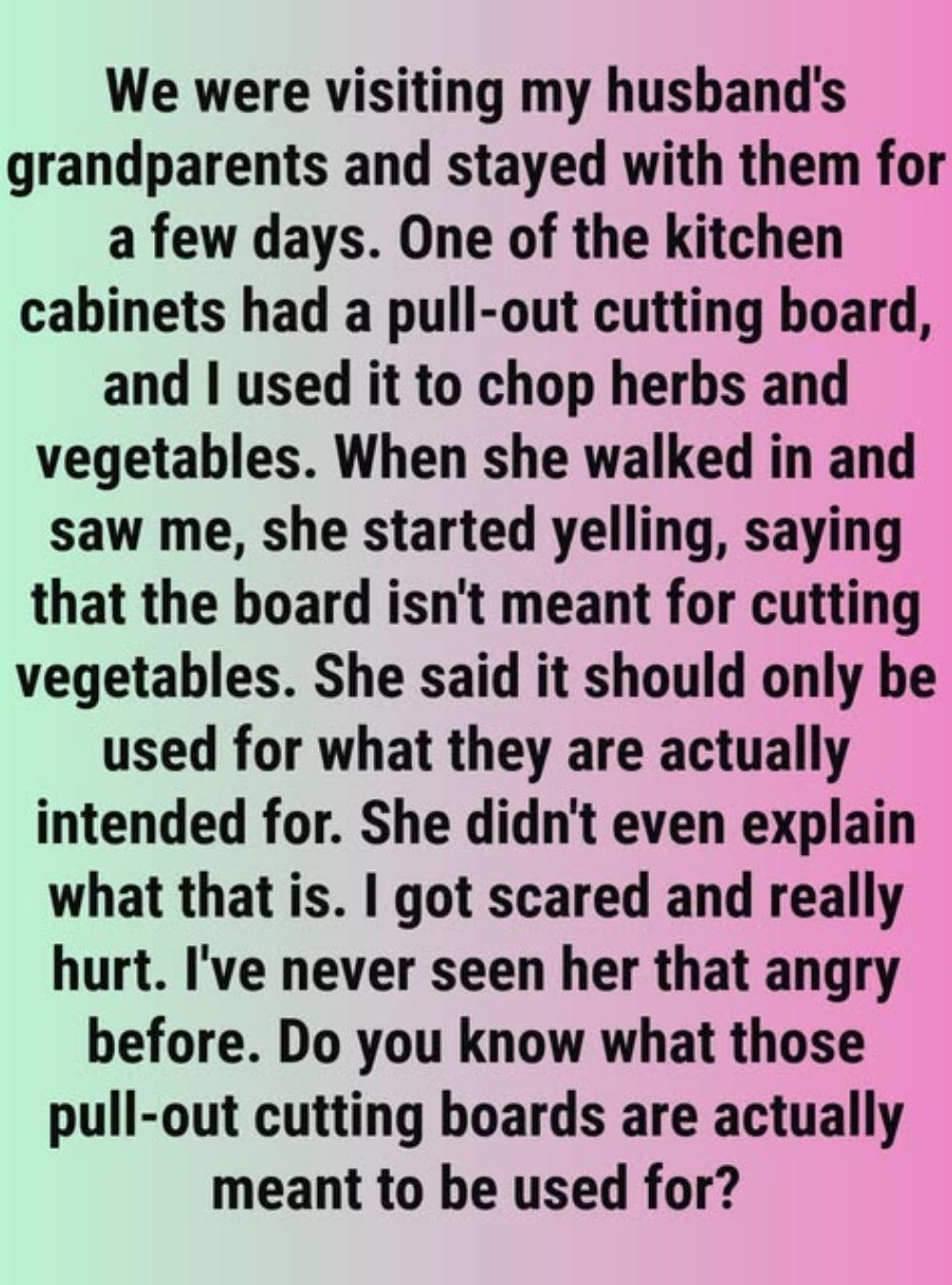
Most people think of a cutting board as nothing more than a kitchen basic — something you grab to chop vegetables or slice fruit without a second thought. But hidden inside many older kitchen cabinets is a feature with a far more meaningful past. Those pull-out wooden boards weren’t originally designed for chopping at all. Believe it or not, they were created for one of the oldest, most beloved traditions in cooking: making bread by hand.
Before modern countertops, mixers, and silicone mats, home bakers depended on these sturdy slide-out boards as their primary workspace. The smooth wooden surface was perfect for kneading dough, shaping loaves, rolling pastry, and preparing meals that brought entire families together. Once the baking was done, the board simply slid back into the cabinet, keeping the kitchen clean and tidy — a clever, functional design long before minimalist trends existed.
Maple’s strength and simplicity are exactly what made those early pull-out boards so iconic. With just a little care, a wooden board can last for decades. A scrub with coarse salt and lemon, a rinse in warm water, and a monthly coat of mineral oil are usually all it takes to keep it in great shape. And now, as more people return to traditional cooking and rediscover the joy of baking bread at home, the humble wooden board feels more relevant than ever.
Continue READING…
ADVERTISEMENT
